



Multigeneration Sources

Multigenerational energy systems provide with a transformative solution to simultaneously produce electricity, heat, cooling and clean water, achieving the highest global efficiency by maximizing the use of waste energy in one integrated, sustainable framework.

OFF GRID MULTIGENERATION SYSTEM FOR PRODUCTION OF ELECTRICITY, COOLING, AND DESALINATION IN ONE INTEGRATED FACILITY

Multigenerational energy systems are the future of sustainable energy, designed to maximize resource utilization by integrating multiple energy production and consumption processes into a single, efficient framework. This innovative approach transforms traditional energy systems into highly efficient hubs capable of generating electricity, heating, cooling, and even producing valuable by-products like desalinated water or hydrogen.

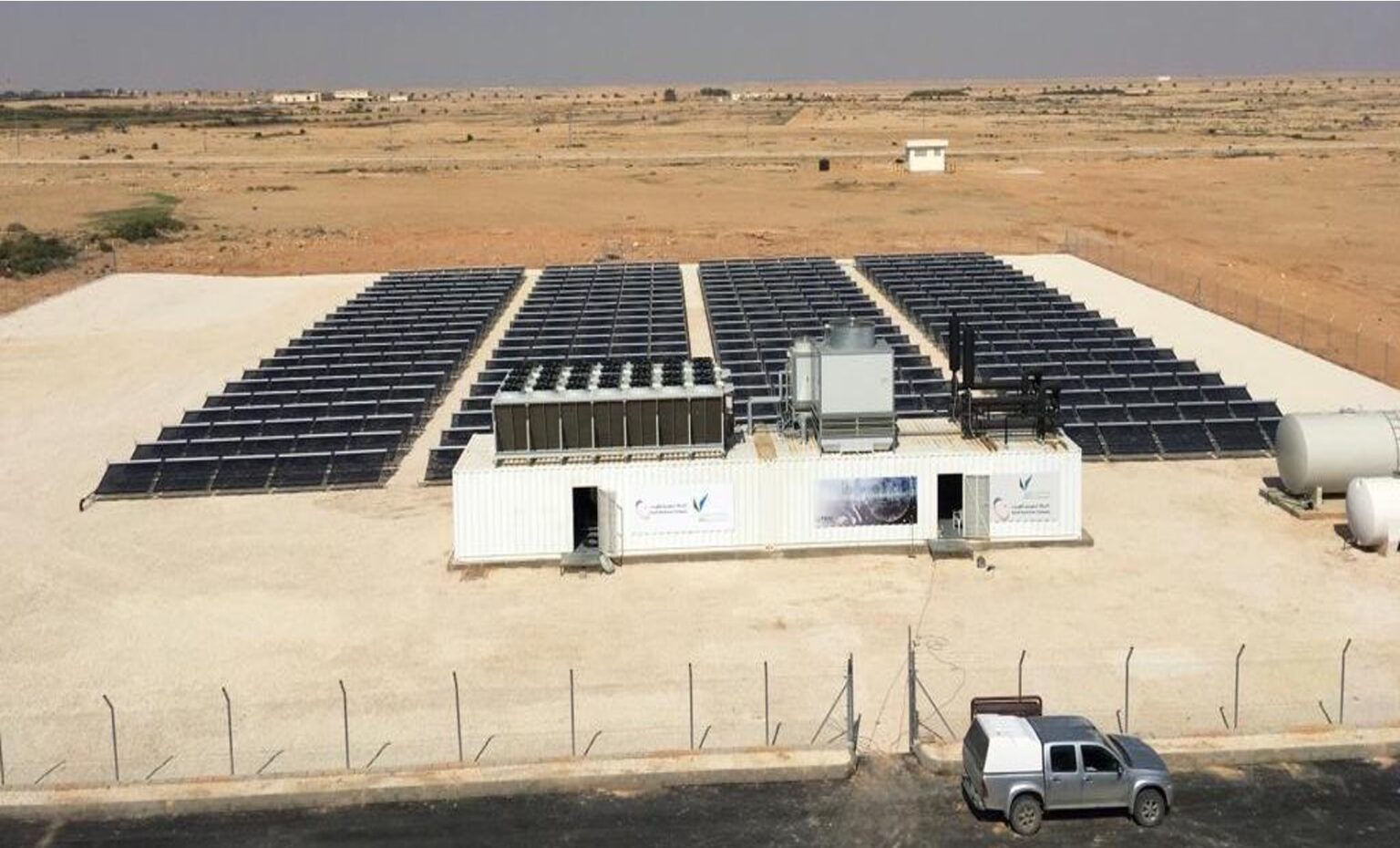
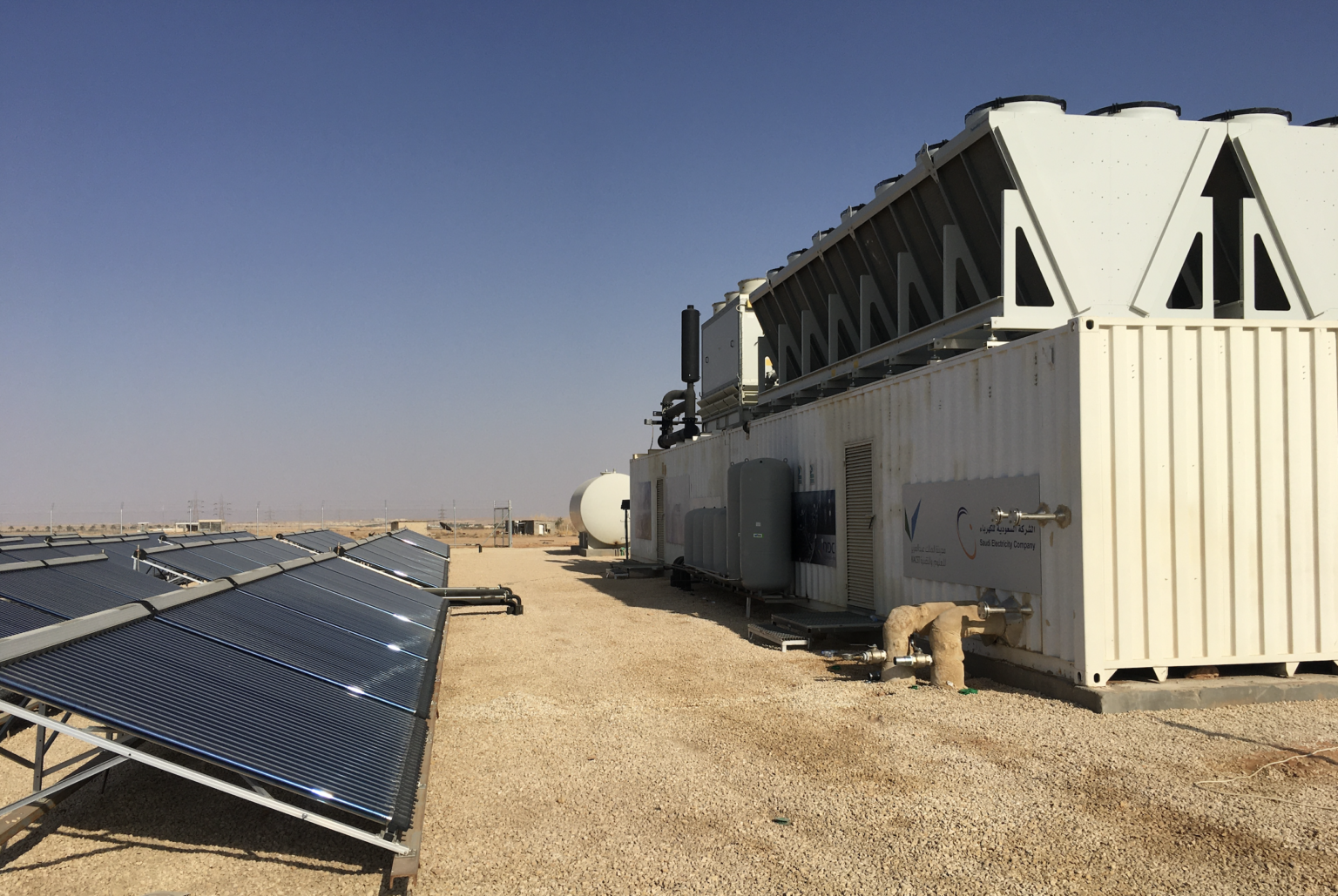
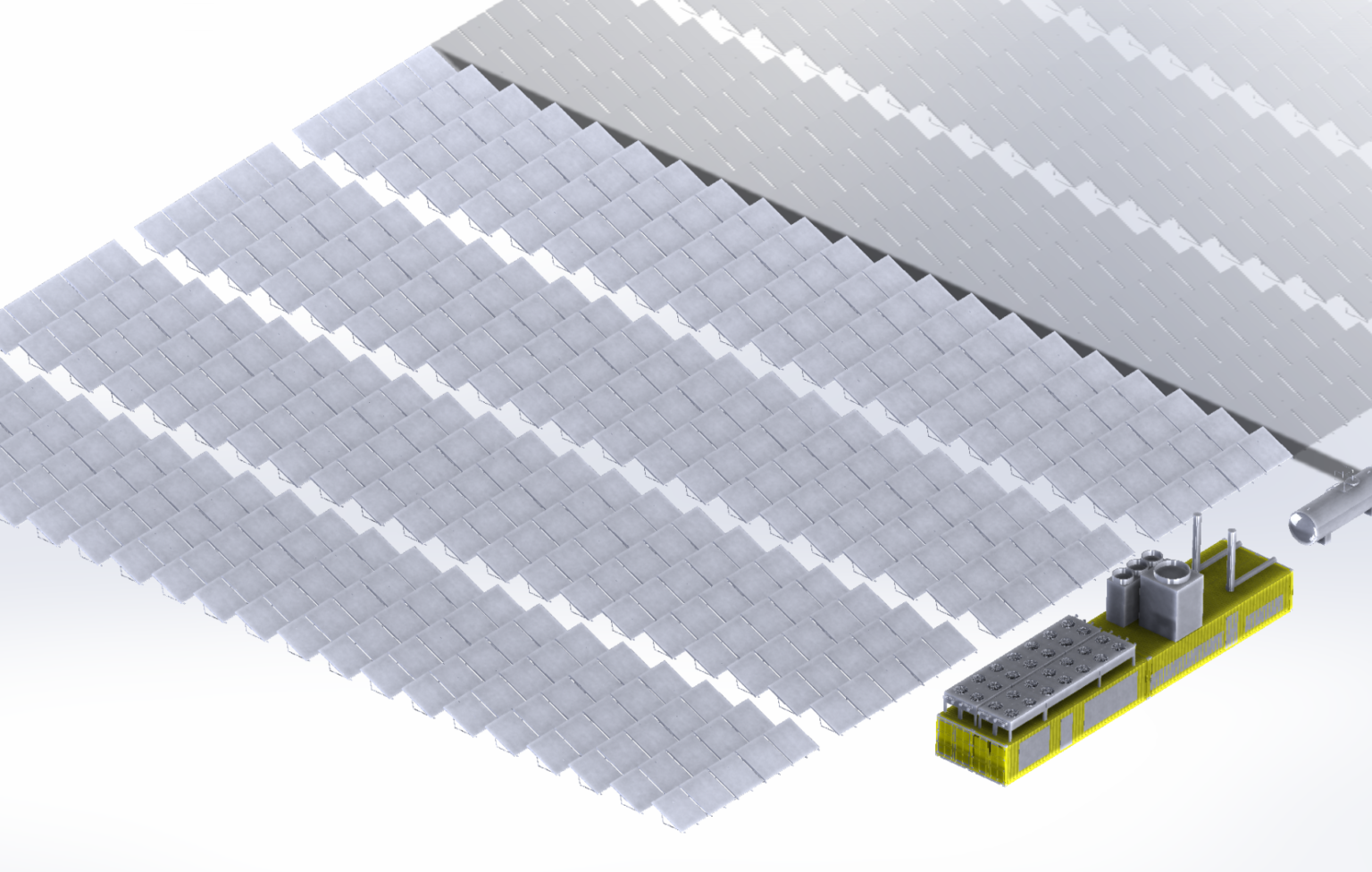
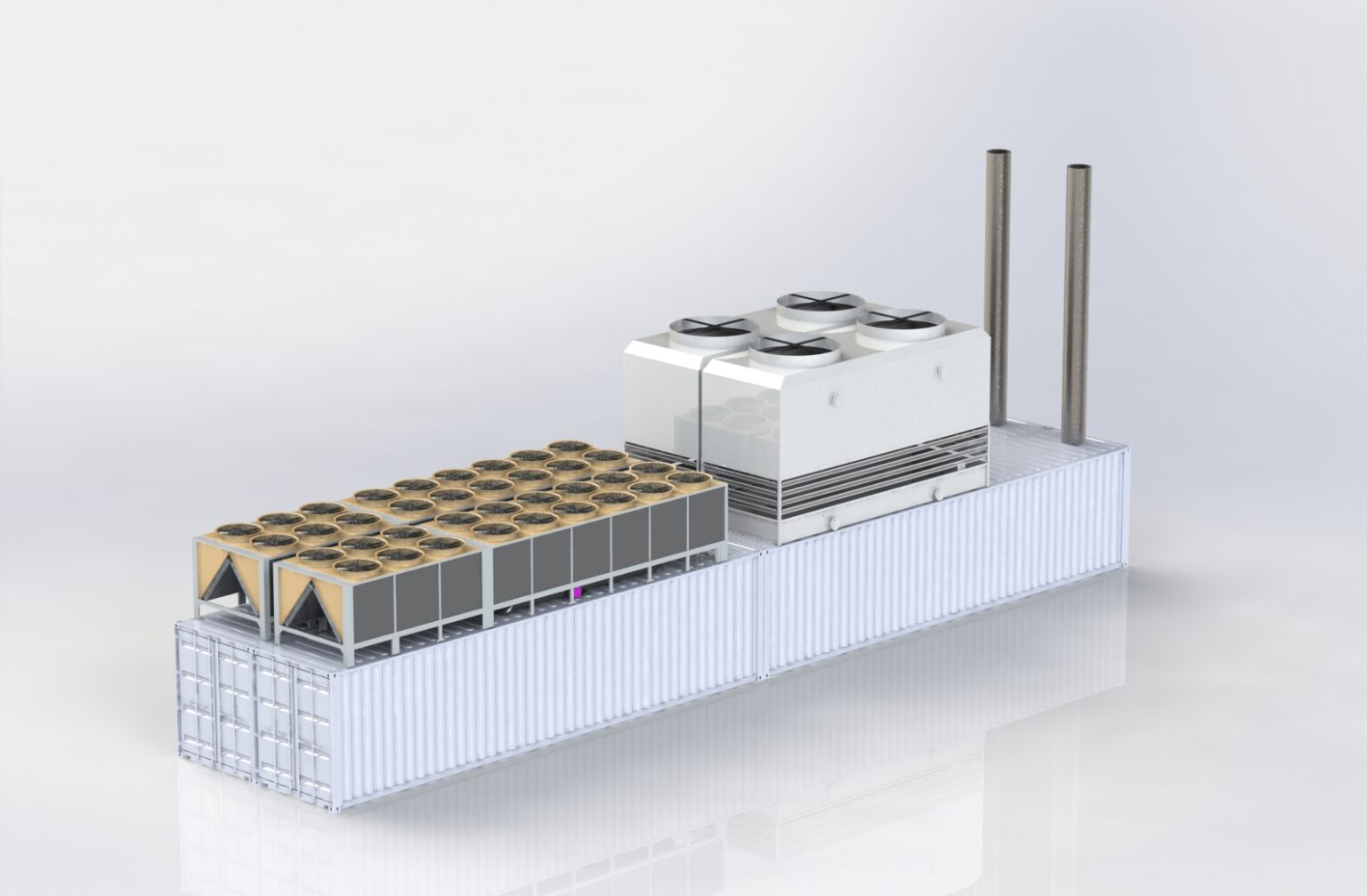
The multigeneration solutions provided by NET Group of Companies are an opportunity to deliver multiple media in a single fixed or fully mobile and containerized system. High interest in such technologies stems from the implementation of the distributed energy approach in Europe, whose implementation significantly reduces the cost of media transmission and provide open access to electricity, water, cooling and heat almost without restrictions. The solution could even be completely independent of the grid by supplying it with, for example, LNG or heat produced in the field of solar collectors.

Multigenerational energy systems are the future of sustainable energy, designed to maximize resource utilization by integrating multiple energy production and consumption processes into a single, efficient framework. This innovative approach transforms traditional energy systems into highly efficient hubs capable of generating electricity, heating, cooling, and even producing valuable by-products like desalinated water or hydrogen.

HOW IT WORKS?

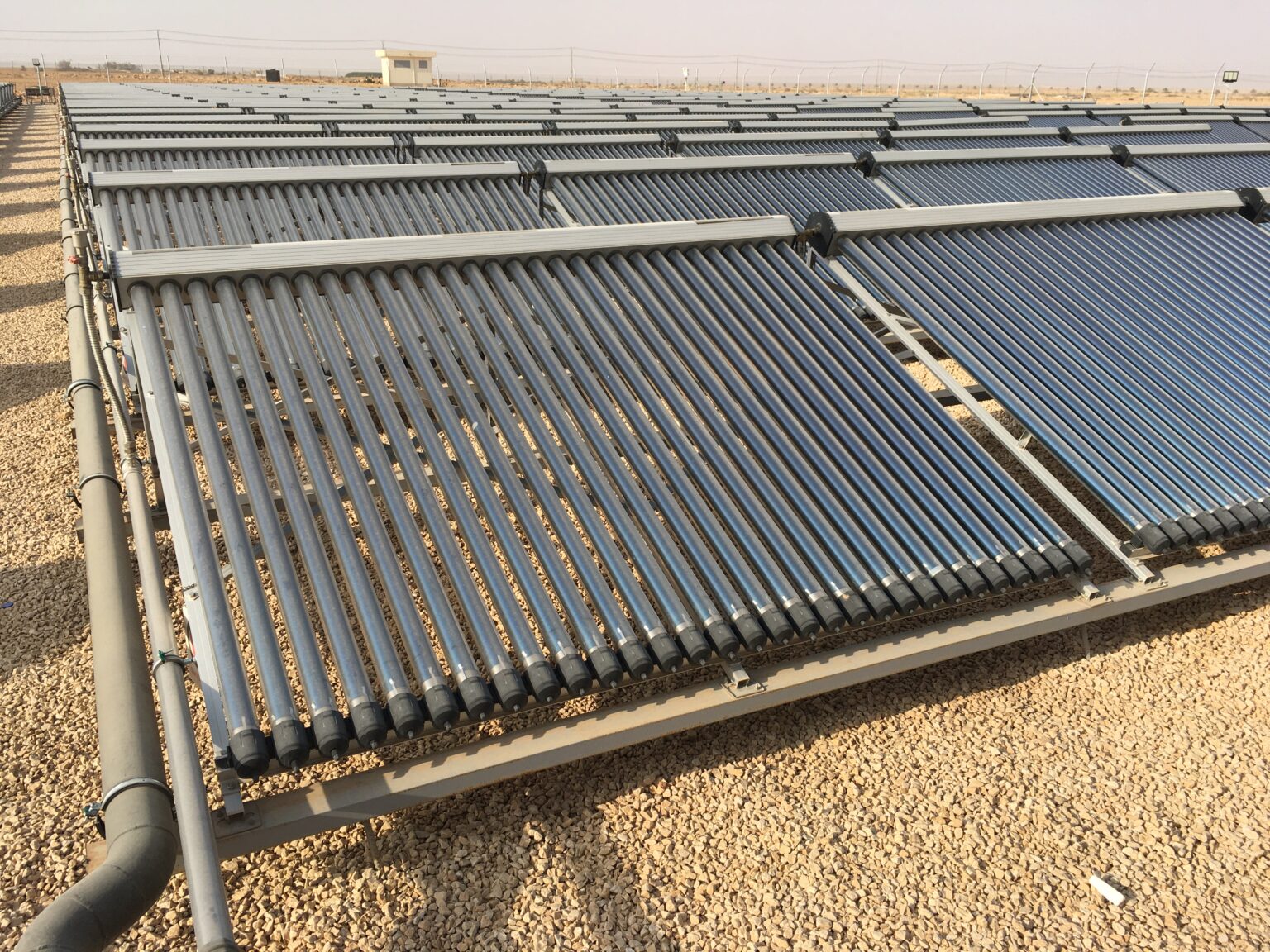
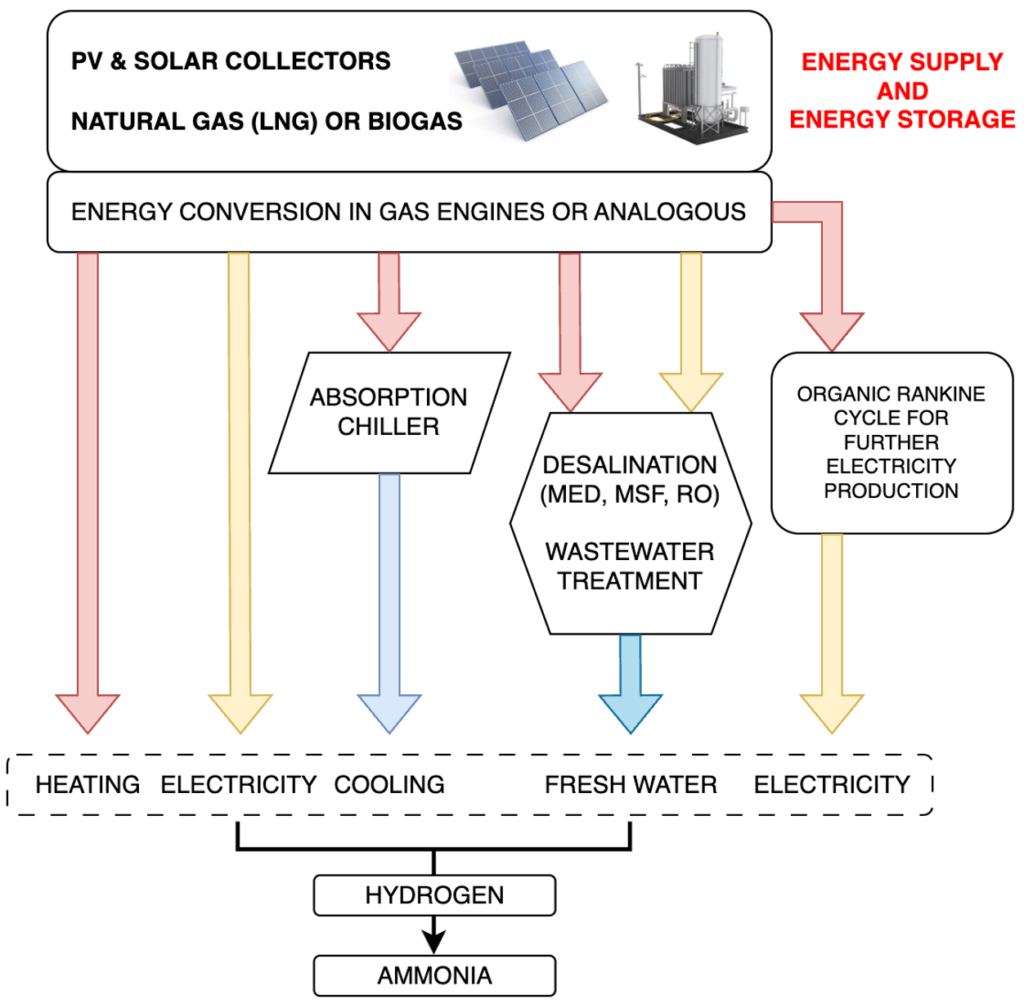
The heart of our patented multigeneration system is the basic source of primary energy. Lack of need to provide local power source, which distinguishes NET Group’s technology, defines the possibility of implementing a hybrid system powered by gas (e.g. LNG) supported with additional energy production from solar collectors or PV. Electricity production is then provided, while generating heat at the same time. Waste heat comes from cogenerator or heat is generated in solar panels. Heat can be directed in the form of steam or hot water to an absorption chiller for the production of cooling at a temperature even from 0 °C. A portion of the heat or electricity can be directed to a water desalination or wastewater treatment system. Thermal systems are supplied with waste heat, and membrane systems are supplied with electricity. The system can also be equipped with storage facilities for heat, cooling and electricity. Integration and optimization can be carried out through advanced algorithms and Artificial Intelligence for increased efficiency, which can reach >90%.

Advantages

Key advantages of MGS

HIGH EFFICIENCY

The solution utilizes waste energy (e.g. waste heat) to achieve overall efficiency up to >90%.

SUSTAINABILITY

Reduces greenhouse gas emissions by integrating renewable energy and improving energy conversion efficiency.

FUEL FLEXIBILITY

Operates with LNG, solar energy, biogas, or a combination of these, enhancing adaptability.

RESOURCE OPTIMIZATION

Simultaneously produces electricity, heat, cooling, and water, minimizing resource wastage.

ENERGY INDEPENDENCE

Provides reliable power and utilities in areas with limited or no access to traditional energy infrastructure. Includes energy storage to ensure continuous operation.

SUPPORT FOR CRITICAL INDUSTRIES

Ideal for applications in agriculture, data centers, hospitals and manufacturing. Suitable for small and large industrial facilities.

CUSTOMIZABILITY

Can be tailored to meet specific needs, such as cooling for industrial processes or freshwater production.

SCALABILITY

Suitable for both small-scale applications (e.g. rural communities) and large industrial facilities.

COST-EFFECTIVENESS

Reduces operational costs by optimizing energy use and reducing dependency on grid electricity.​

Przewijanie do góry